
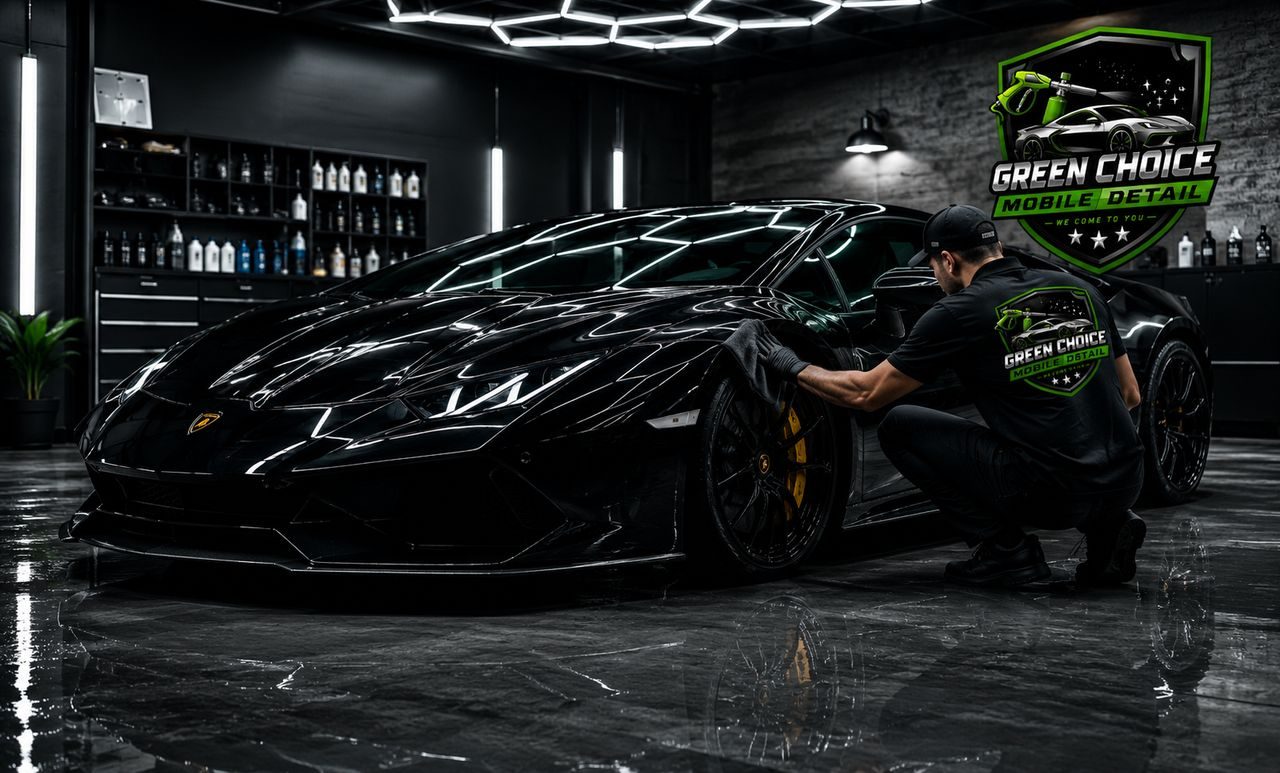
Ceramic coating isn't cheap, so it's fair to ask whether it's worth it. For Long Island drivers specifically, the answer usually leans yes — and here's the reasoning.
Between the salt air along the coast, the winter road salt that coats every road, the summer sun that bakes clear coat, and the pollen and sap of spring, an unprotected finish oxidizes and dulls quickly here. A ceramic coating is a durable shield against all of it.
A coating gives you years of protection, a deeper and longer-lasting gloss, strong resistance to water spots and staining, and dramatically easier washing. Because dirt and water slide off, you spend less time and money maintaining the car over the coating's life.
A protected car looks newer longer, which matters at trade-in or private sale. Combined with a documented paint correction and coating, a well-kept finish can meaningfully help resale value — often offsetting a good chunk of the coating's cost.
If you lease short-term, plan to sell within a year, or rarely keep a car clean anyway, the math is weaker. But if you keep your vehicles, park outside, or drive near the water in towns like Oyster Bay or Babylon, a coating is one of the best investments you can make. Ask us for a quote based on your car.
Depending on the tier, from one year up to five years. With regular gentle washing, the 3- and 5-year coatings hold their gloss and water-beading for the full term.
Yes — it creates a barrier that resists salt, water spots, and staining far better than bare paint or wax, which is exactly what coastal and winter driving here demands.
No, it's not scratch-proof, and no, it's not maintenance-free. Here's the truth behind the biggest myths.
Not all coatings last the same. Here's what the 1, 3, and 5-year tiers really mean and how to choose.
A coating does most of the work, but a few simple habits keep it beading and glossy for years.